
 Farm Fresh
Kashmir Valley
Autumn harvest · September – October · Shopian, Kupwara, Anantnag, Baramulla
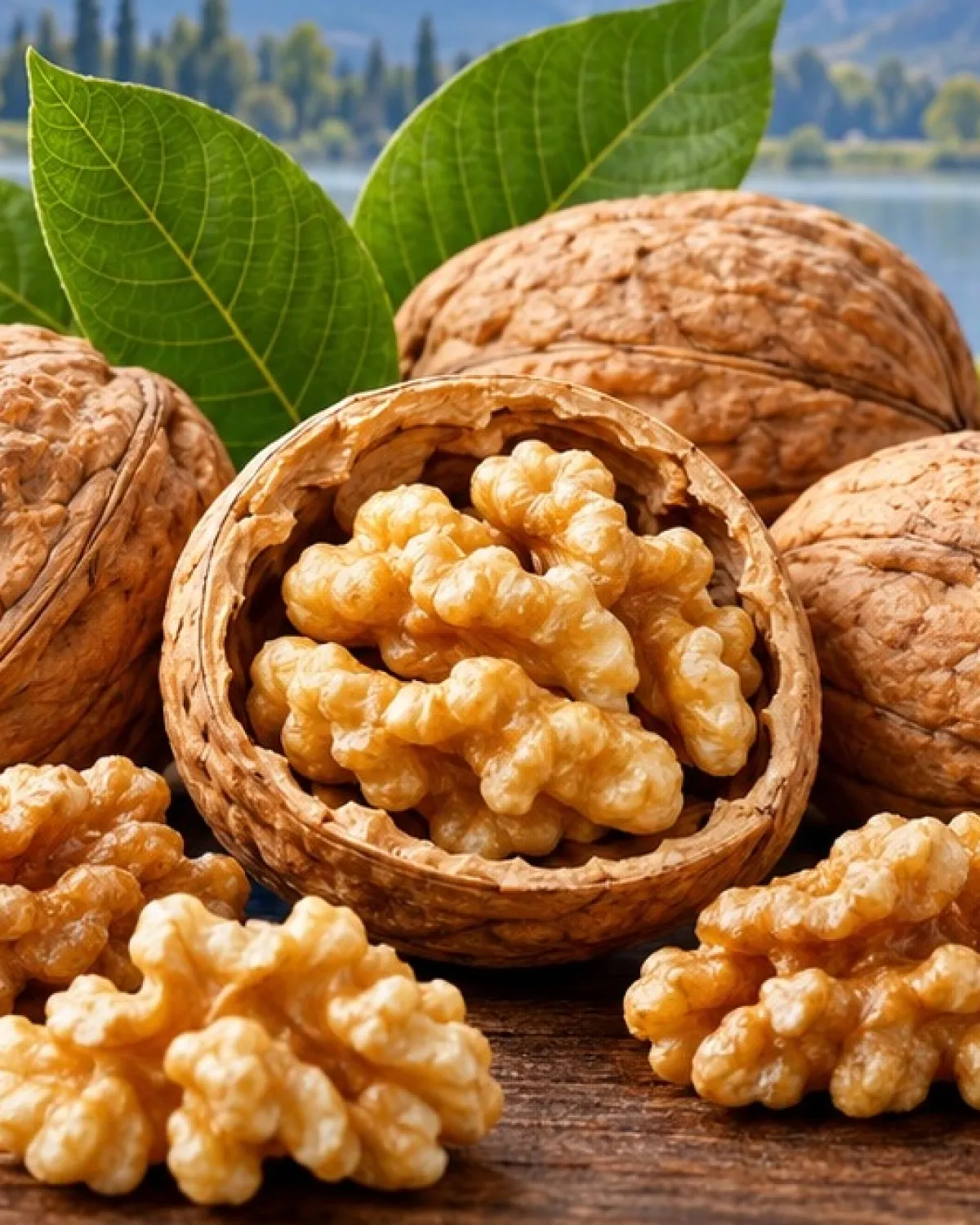
Kong & Doon Kashmiri Walnuts
Light, crisp walnuts with a buttery flavour unique to Kashmir’s climate.
- No preservatives / additives
Free shipping above ₹2,000
- Key Details of Kashmiri Walnuts • The Oil Advantage: Due to the severe winter climates of the Himalayas, Kashmiri walnut
- Farm direct
- Ships in 1–2 days
- Secure Razorpay
Description
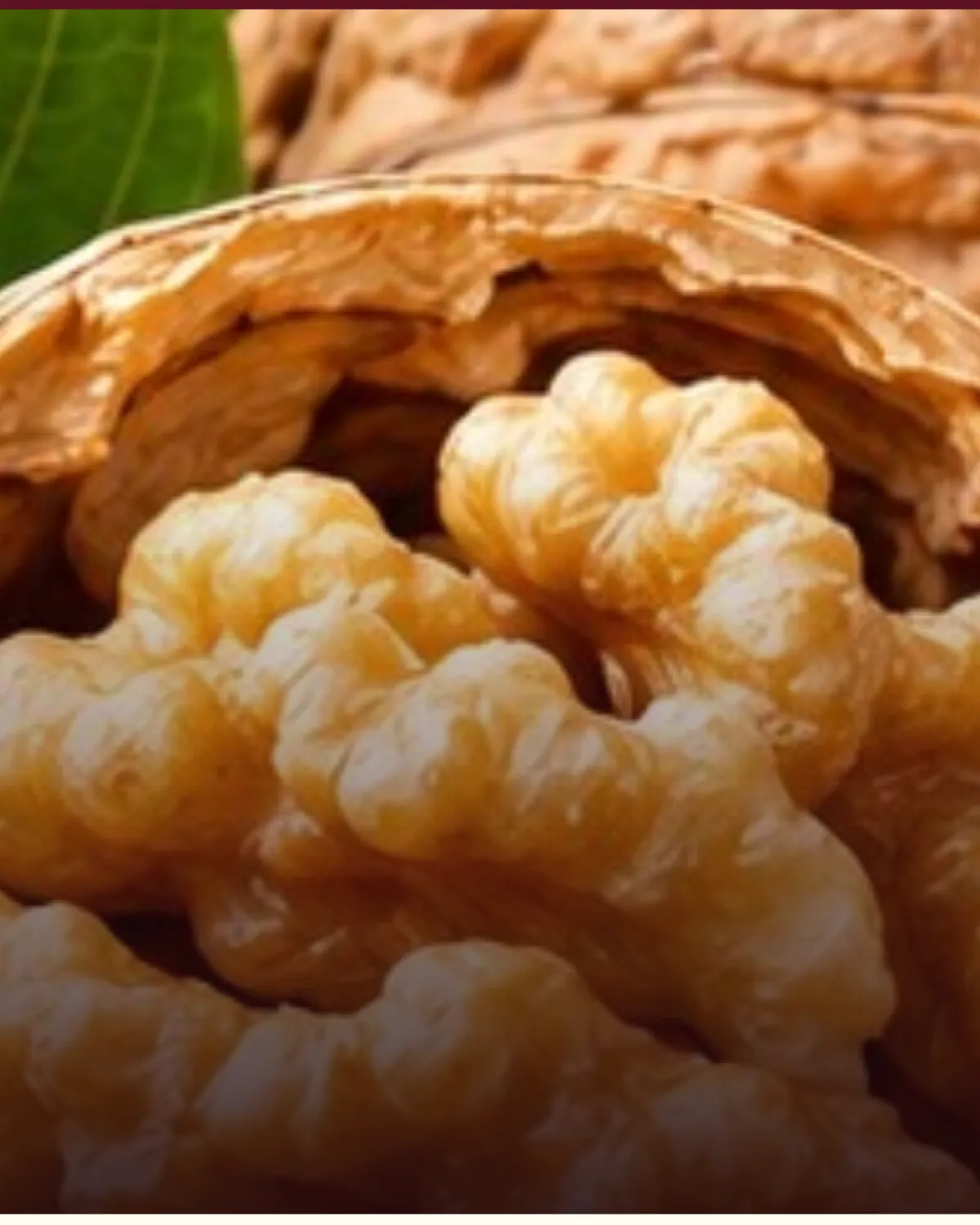
Kong & Doon walnuts are prized for their pale, light kernels and gentle sweetness. Harvested each autumn from family orchards and shelled by hand.
Rich in omega-3
No bleaching, no preservatives
Authenticity & quality
- Origin
- Kashmir Valley
- Grade
- Extra Light Halves
- Harvest
- 2026 Harvest
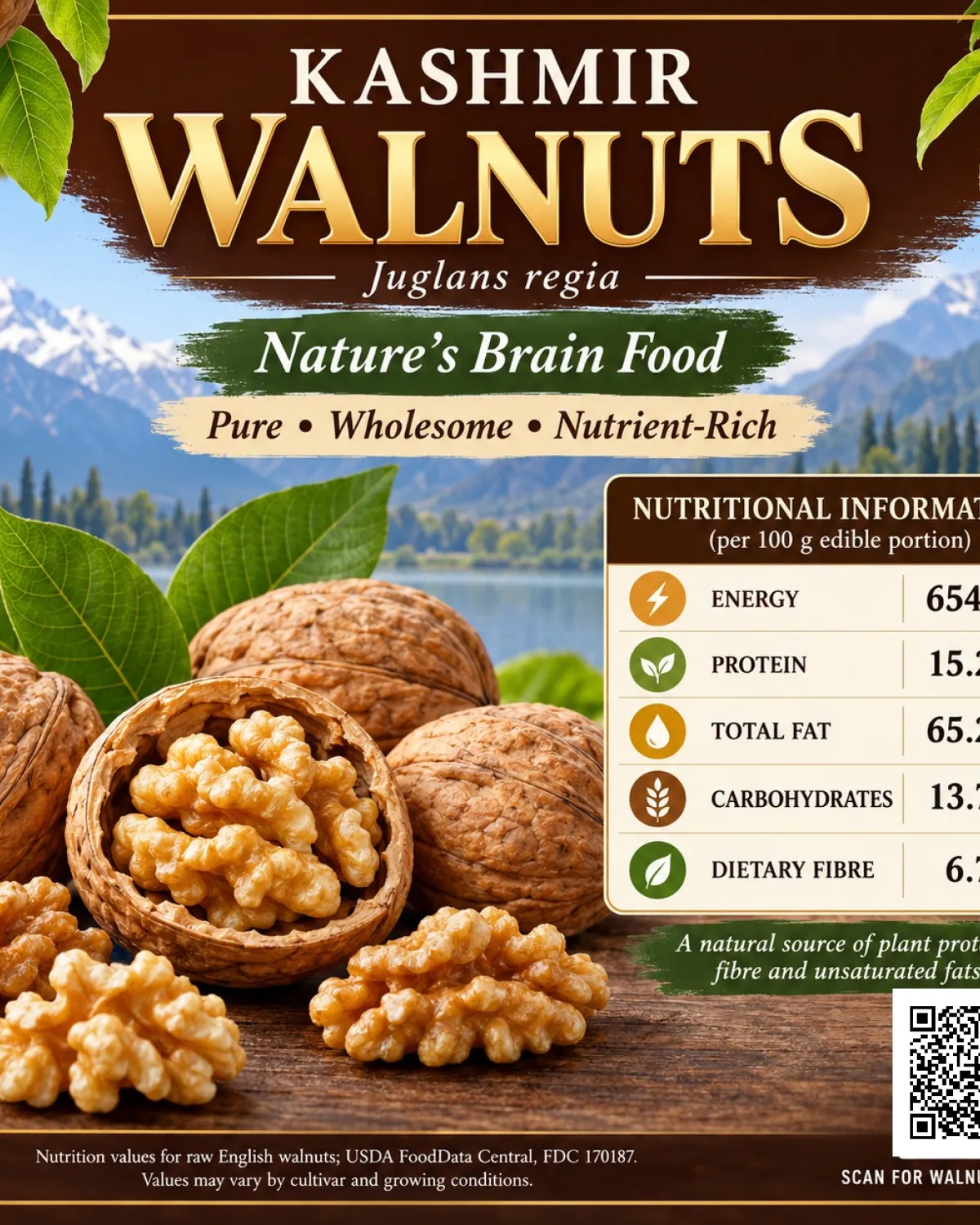
Jammu and Kashmir is the heart of India's walnut industry, growing 90% to 98% of the countrys walnuts. Cultivated organically in high-altitude mountain valleys, Kashmiri walnuts are renowned for premium taste, superior crunch and an extraordinarily high natural oil content rich in Omega-3.
How to identify the real thing
- 4 Simple Authenticity Tests
- 1 The Taste and "After-Burn" Test
- Eat a couple of raw kernels. Authentic Kashmiri walnuts have a bold, buttery sweetness followed by a mild bitter, astringent finish at the back of the tongue, from the potent antioxidants in the skin. Flat, bland or plasticky kernels are likely mass-farmed imports.
- 2 The Skin Texture Test
- Kashmiri walnuts have a thinner, more delicate, heavily wrinkled skin. Imports (Chilean or California) tend to have smoother, thicker, more uniform skins that peel away rigidly.
- 3 The Finger Rub (Oil) Test
- Crush a small piece firmly between thumb and index finger. A genuine Kashmiri walnut instantly releases oil and leaves your fingertips greasy and slick; lower- grade or stale kernels crumble into dry, chalky powder.
- 4 The Colour Variation Indicator
- Tip a handful onto a table. A genuine batch shows minor natural variation in colour from piece to piece, because it comes from different local trees and is sun-dried. Perfectly uniform, bright white spotless kernels have likely been bleached or machine-processed.
Ingredients & how to use
Ingredients: Raw Kashmiri walnut kernels are sold based on their color grading, freshness, and structural shape: • Color Grading: Kernels are strictly graded from Light (Premium White/Extra Light) to Light Amber and Amber. Light kernels are the mildest and sweetest, while darker amber kernels have a deeper, slightly more robust, traditional walnut taste. • Physical Structure: High-quality batches are packed as "Halves" (Akhrot Giri 2-Piece), which indicates careful manual shelling. Cheaper batches contain broken pieces (Quarters or Pieces), which oxidize much faster due to exposed surface areas. • Storage Reality: Because raw Kashmiri kernels are packed with natural oils and are completely unpasteurized, they must be stored in airtight containers inside a refrigerator or freezer. Leaving them in warm, humid conditions will cause their potent oils to turn rancid very quickly.
Walnuts are highly nutritious tree nuts that serve as an exceptional plant-based source of alpha-linolenic acid (ALA), an essential omega-3 fatty acid that supports heart and brain health. To maximize their health benefits and maintain their nutritional integrity, it is important to prepare and store them correctly. Health-Optimized Ways to Consume Walnuts • Soaking Overnight: Soak raw walnut kernels in water for 6–8 hours before eating. This process neutralizes phytic acid and enzyme inhibitors, making them much easier to digest and significantly improving nutrient absorption. • Raw and Lightly Toasted: Eat them raw or very lightly dry-roasted on low heat. Avoid heavy roasting or cooking at high temperatures, as excessive heat degrades the delicate, heat-sensitive polyunsaturated fatty acids. • Salt and Sugar-Free: Consume them unsalted and unglazed. Avoid commercial pre-packaged options that are coated in refined sugars, honey glazes, or excessive sodium, which counteract the nut's natural cardiovascular benefits. Culinary Integration Strategies • Brain-Boosting Breakfasts: Chop and sprinkle soaked walnuts over oatmeal, muesli, or Greek yogurt. Combining the healthy fats in walnuts with complex carbohydrates or protein provides sustained energy release and prevents blood sugar spikes. • Nutrient-Dense Blends: Grind walnuts directly into morning smoothies or blend them down to make a fresh, homemade walnut butter. This is a clean, filler-free alternative to store-bought spreads. • Savory Toppings: Toss chopped walnuts into green salads, grain bowls, or roasted vegetable dishes. They add a pleasant texture and healthy fats that actually help your body absorb fat-soluble vitamins (like vitamins A, D, E, and K) from the vegetables.
Storage & shelf life
Because walnuts have an incredibly high concentration of volatile omega-3 oils, they are highly prone to oxidation and going rancid if left exposed to heat, light, and air. • Keep Them Cold: Store your walnuts in the refrigerator if you plan to consume them within a few weeks, or keep them in the freezer for long-term storage up to a year. • Seal Them Tight: Always use airtight glass containers or vacuum-sealed bags to prevent the nuts from absorbing odors from surrounding foods. • Shell Availability: Whenever possible, buy walnuts still in their shells and crack them open just before use. The natural shell acts as a perfect protective barrier against staleness. Recommended Storage Lifespans • Room Temperature (Pantry): Up to 2 to 4 weeks. Only keep walnuts in the pantry if you plan to consume them immediately. Keep them in a cool, dark place away from the stove or sunlight. • Refrigerator (Cold Storage): Up to 6 months. This is ideal for daily or weekly use. • Freezer (Deep Freeze): Up to 1 to 2 years. Freezing does not alter their texture or taste because walnuts have a very low water content. This is the best method if you buy them in bulk. 3 Best Rules for Storing Walnuts • Use Airtight Glass or Rigid Plastic: Walnuts easily absorb odors from surrounding foods like onions, garlic, or fish. Always store them in tightly sealed glass jars or heavy-duty airtight plastic containers rather than flimsy plastic bags. • Bring to Room Temperature Before Eating: Cold walnuts can taste slightly muted. For the best flavor and crunch, take out your daily portion and let it sit on the counter for 10–15 minutes before eating or tossing them into food.
Shelf life: 9 months
Shipping & returns
Questions about Walnuts
Where do Kashmiri walnuts grow?
Major cultivation hubs include Districts like Anantnag, Kupwara, Pulwama, Shopian, Baramulla, Budgam, Srinagar, Ganderbal, and Kulgam
What are the main health benefits of Kashmiri Walnuts?
Walnuts are a nutrient-rich plant-based food and an excellent source of alpha-linolenic acid (ALA), a plant-derived omega-3 fatty acid, along with vitamin E, polyphenols, dietary fiber, and protein. ALA supports normal cardiovascular function and helps maintain healthy cell membranes, while vitamin E acts as an antioxidant that protects cells from oxidative damage. Polyphenols help combat oxidative stress and support the body's natural defense mechanisms. Dietary fiber promotes digestive health and supports healthy cholesterol levels, while protein contributes to tissue repair and muscle maintenance. Research suggests that moderate walnut consumption, as part of a balanced diet, may support heart health, help maintain healthy cholesterol levels, and contribute to cognitive health. Individual benefits may vary depending on overall diet and lifestyle. Consult a qualified dietitian or nutritionist to validate the appropriate serving size and ensure it aligns with your individual nutritional needs and health goals.
What is the Walnuts oil advantage?
Kashmiri walnuts are prized for their distinctive flavour, rich, buttery texture, and naturally delicate aroma. Grown in the unique Himalayan climate, they develop a characteristic taste and texture that make them a cherished part of Kashmir’s agricultural heritage. Naturally rich in healthy fats, including plant-based omega-3 fatty acid (alpha-linolenic acid or ALA), walnuts offer nutritional value alongside their exceptional taste. Nutrient composition and oil content can vary depending on the variety, growing conditions, and harvest practices.
Why do my walnuts taste bitter?
A bitter taste in walnuts may indicate oxidation of their natural oils due to exposure to heat, light, or air, although some bitterness can also occur naturally because of the tannins present in the walnut skin. Fresh, high-quality Kashmiri walnut kernels are typically prized for their delicate, mildly sweet flavour and rich, buttery texture. To preserve their freshness, flavour, and nutritional quality, we recommend following our suggested storage guidelines and protecting the kernels from heat, moisture, light, and air exposure. Most of the Imported walnuts in market are chemically washed for a bright, spotless white look and feel whereas Kashmiri walnuts are washed in plain water and sun-dried in nature, leaving a natural tan, slightly uneven, rustic appearance.
What are the typical Authenticity Tests i can do at home?
1 The Taste and "After-Burn" Test Eat a couple of raw kernels. Authentic Kashmiri walnuts have a bold, buttery sweetness followed by a mild bitter, astringent finish at the back of the tongue, from the potent antioxidants in the skin. Flat, bland or plasticky kernels are likely mass-farmed imports. 2 The Skin Texture Test Kashmiri walnuts have a thinner, more delicate, heavily wrinkled skin. Imports (Chilean or California) tend to have smoother, thicker, more uniform skins that peel away rigidly. 3 The Finger Rub (Oil) Test Crush a small piece firmly between thumb and index finger. A genuine Kashmiri walnut instantly releases oil and leaves your fingertips greasy and slick; lower- grade or stale kernels crumble into dry, chalky powder. 4 The Colour Variation Indicator Tip a handful onto a table. A genuine batch shows minor natural variation in colour from piece to piece, because it comes from different local trees and is sun-dried. Perfectly uniform, bright white, spotless kernels have likely been bleached or machine-processed.
When is the walnut harvest season?
The walnut harvest season in Kashmir typically peaks in September and continues through mid-to-late October, when the region’s walnut orchards yield their fresh, seasonal produce.
How Many Walnuts Should I Eat Per Day?
For most adults, approximately 28 grams of walnuts (about one small handful) per day is a reasonable serving. Walnuts can be a nutritious addition to a balanced diet, although individual nutritional needs may vary. Consult a qualified dietitian or nutritionist to validate the recommended serving size based on your specific dietary requirements and health goals.